

Digital records for reptiles.
Log feedings, sheds, weights and breeding in seconds. The overview shows you every day which animal is due. HerpLabs runs on iPhone and in your browser.


Free to use, no account needed. Your data is stored in the EU.
For keepers.
See which animal is due today, follow weights and sheds, and give your sitter a care card.
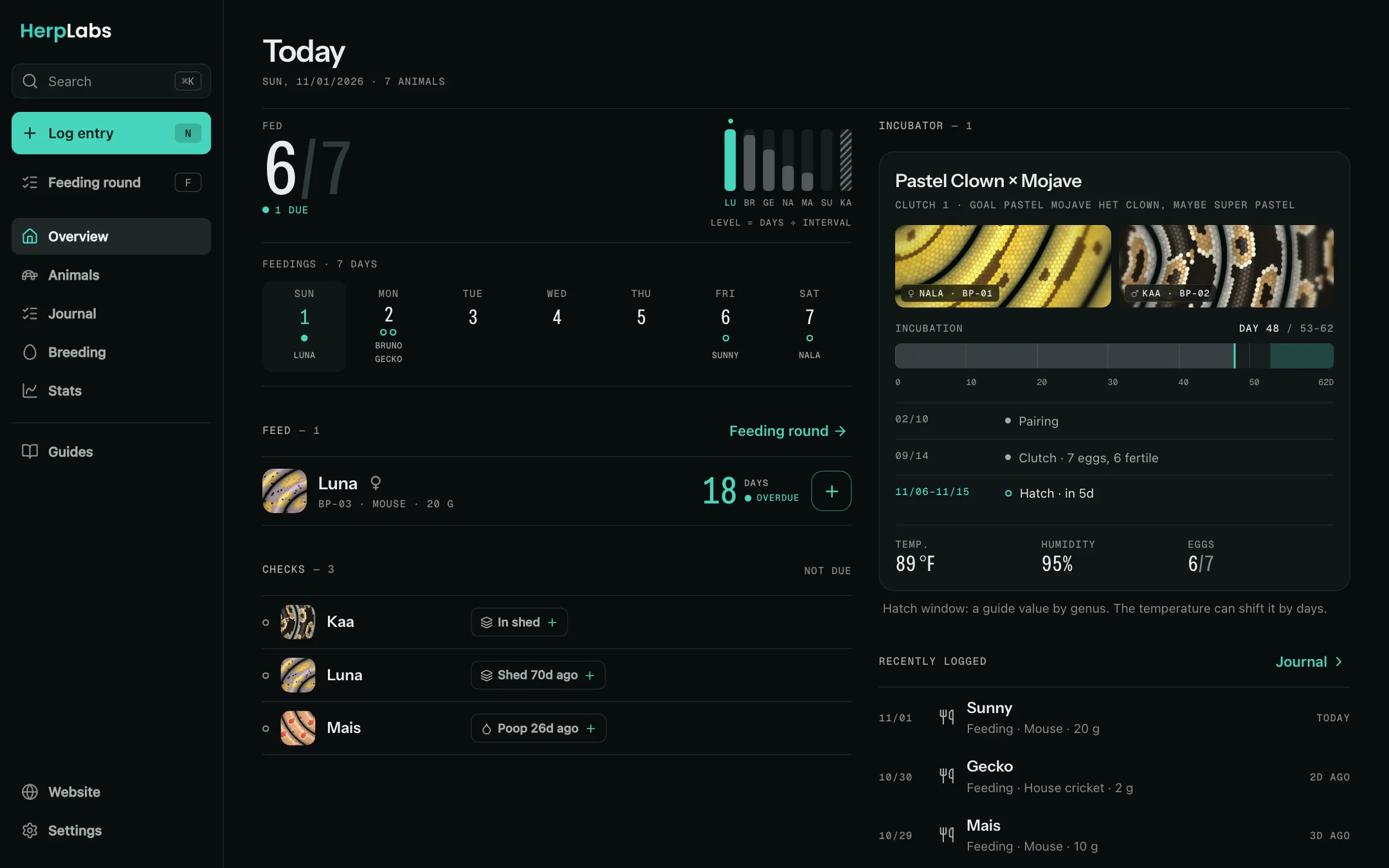
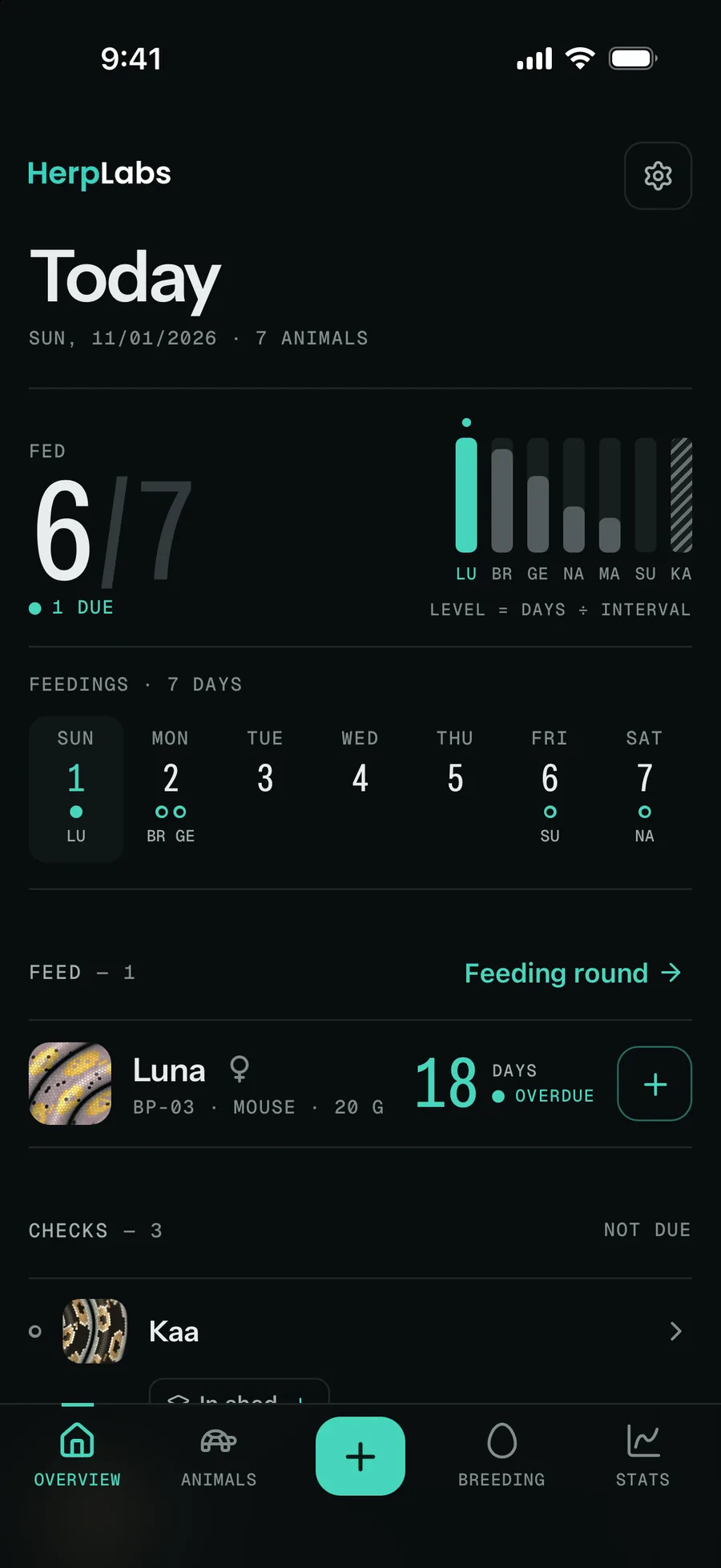
See at a glance who is due today.
The overview works from the intervals in your care profiles. You log feedings, sheds and weights in seconds. Checks flag falling weight and sheds in progress.
- Fed 6/7Due by your interval
- Level per animalDays since feeding ÷ interval
- 7-day stripTap to see the day's animals
- DueFood and weight as last time
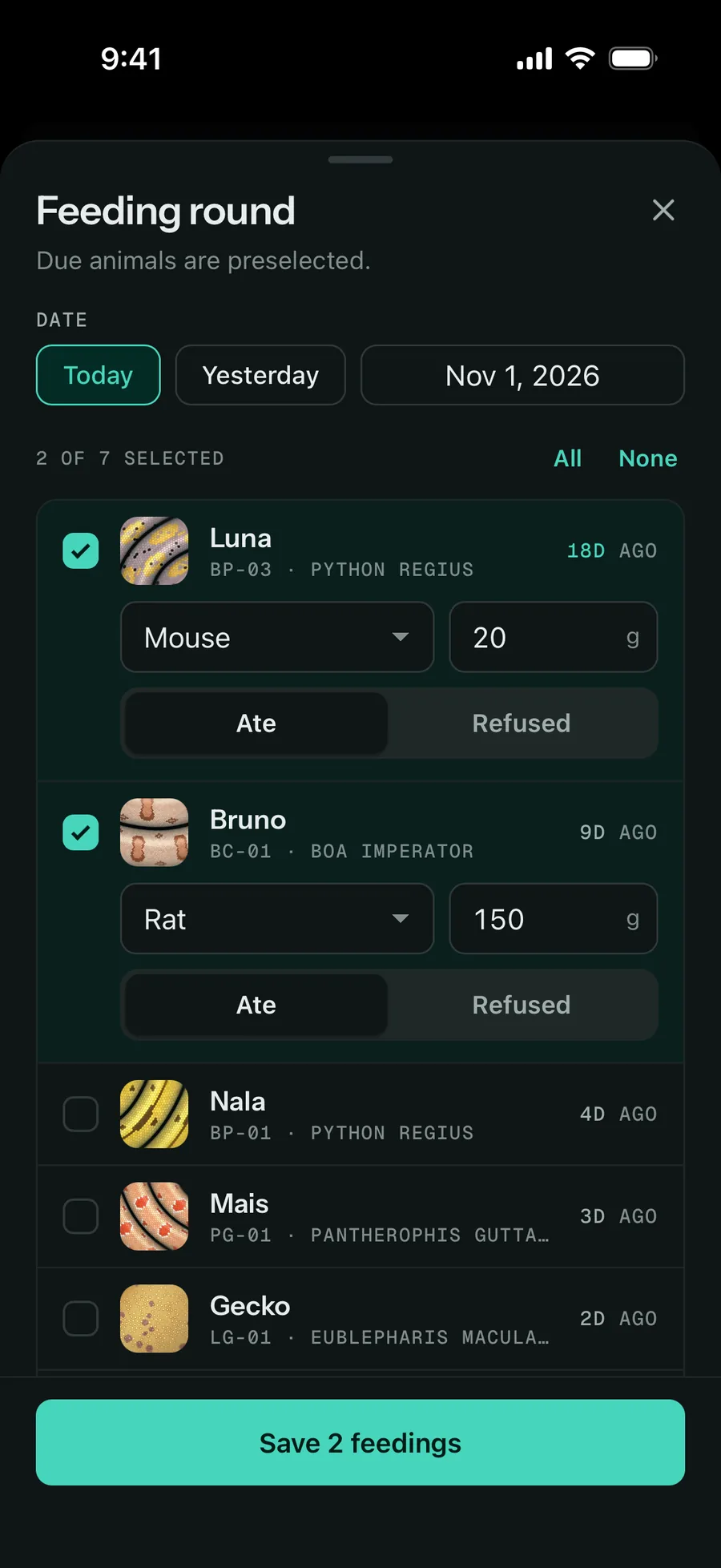
Feeding round
All due animals in one go, a refusal with a single tap.
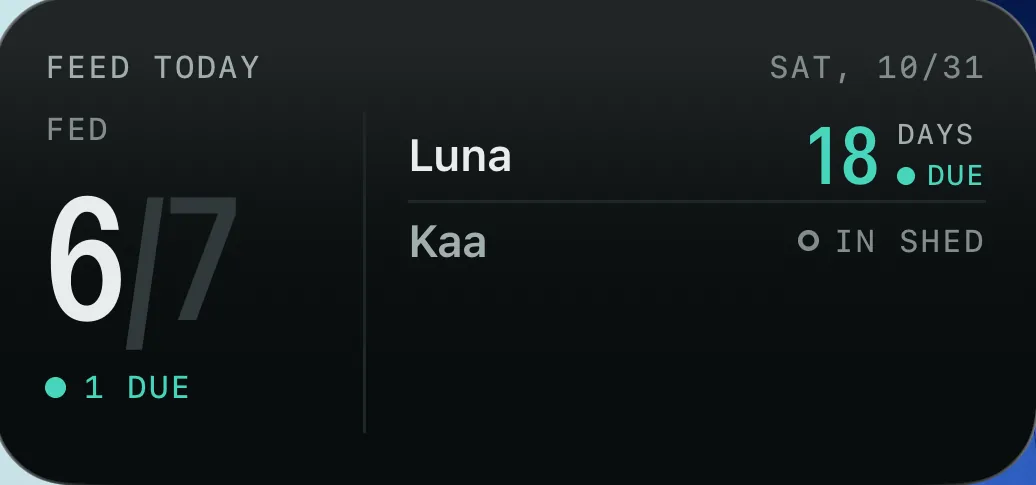
Widget
“Feed today” on your iPhone's Home Screen and Lock Screen.
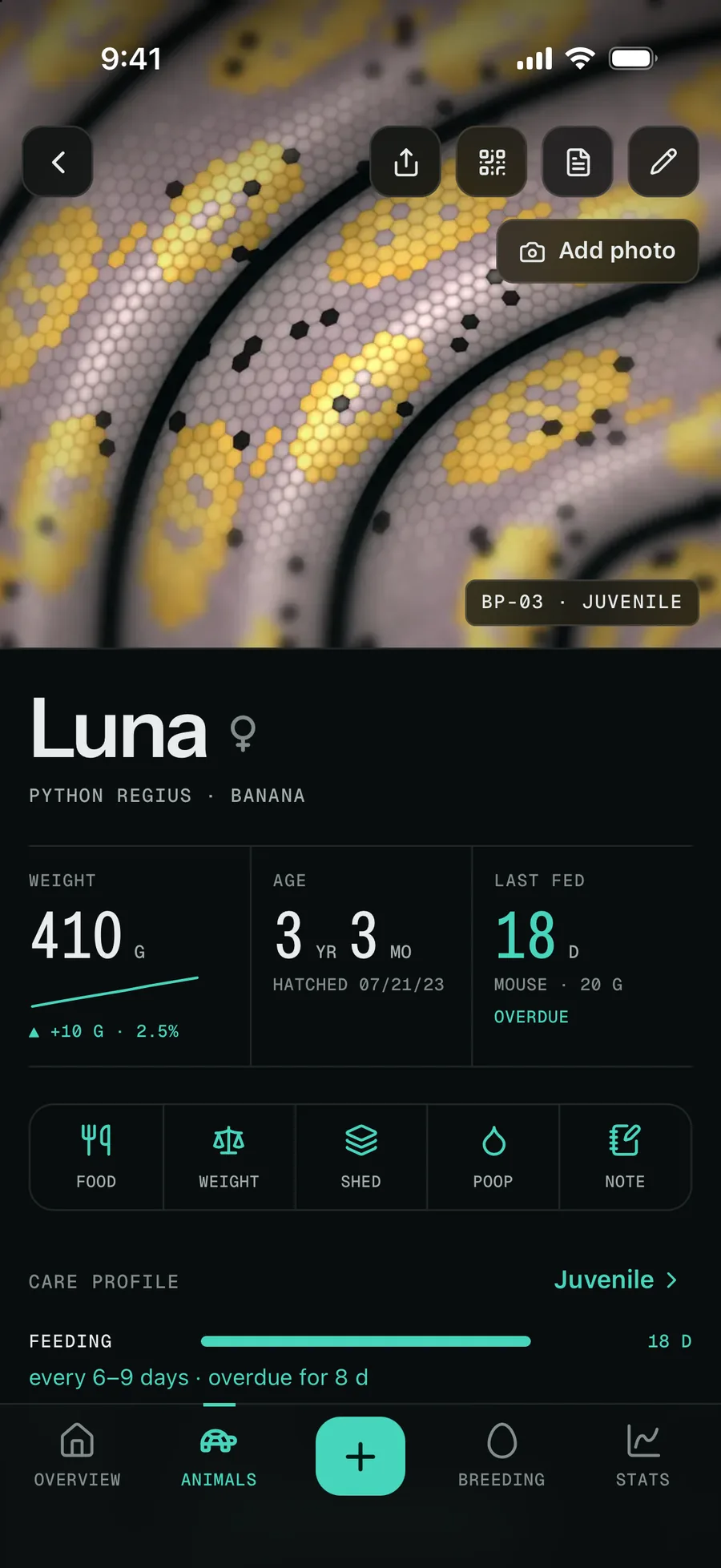
Every animal has its record.
The profile shows weight with its history, age, care status and every entry. You can save the whole record as a PDF.
- Record as PDFEvery entry, ready to print
- WeightWith the change since the last weighing
- Quick logFood, weight, shed, poop, note
- Care statusDays since ÷ interval, for each area
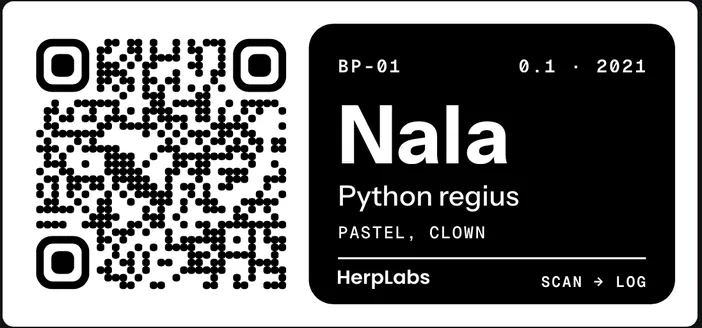
QR label and care card
The label on the enclosure takes your sitter to the animal's care card, no account needed.
Bring your collection
Import animals and entries from Excel or CSV. An import can be undone.
For breeders.
Work out pairings, follow clutches until they hatch and hand over offspring with an animal pass.
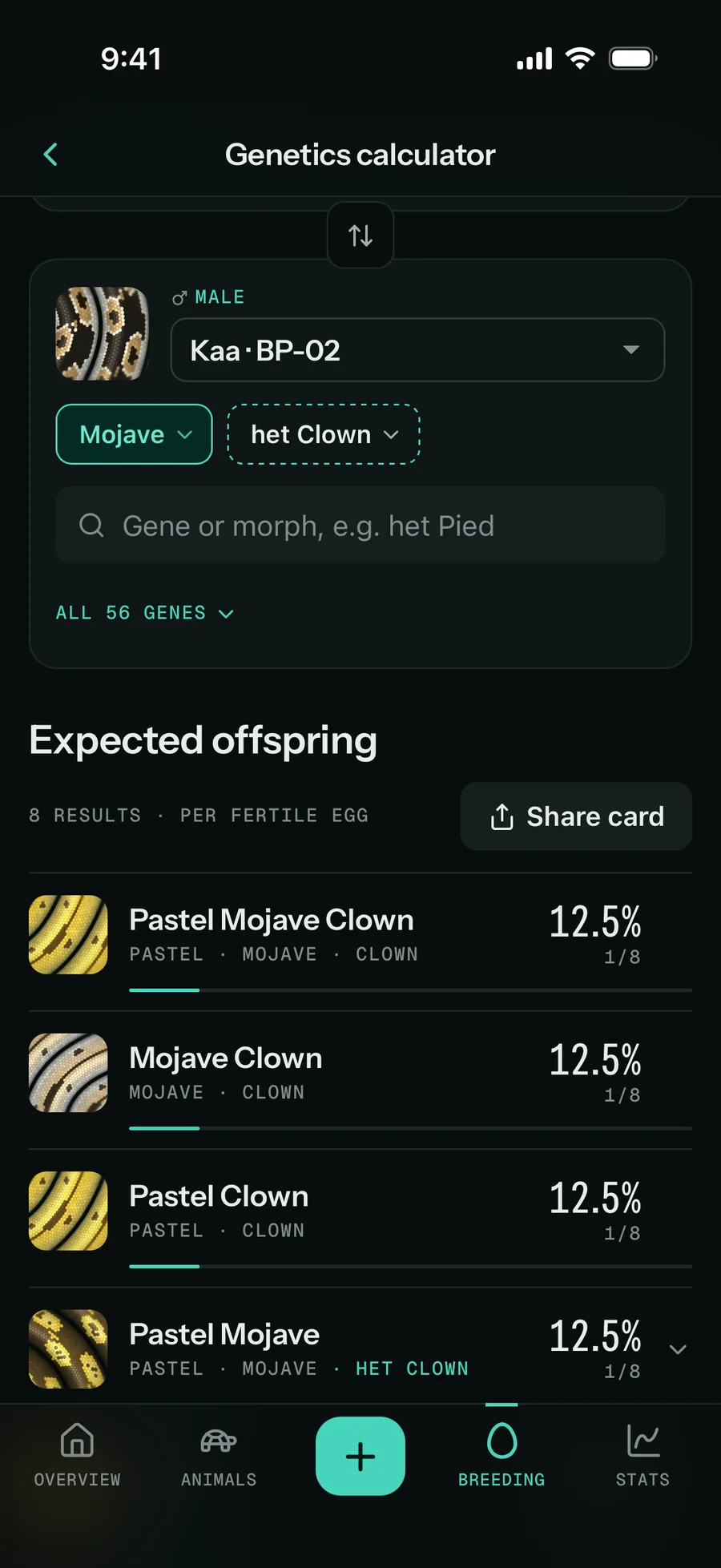
Work out pairings before the clutch arrives.
Pick two parents and HerpLabs works out the expected offspring with odds, hets and super forms, for ball pythons, leopard geckos, and blood pythons.
- ParentsMorphs and hets for each animal
- Expected offspringEvery combination, shareable as a card
- Odds12.5% = 1 in 8
- Hets and super formsRight in the result
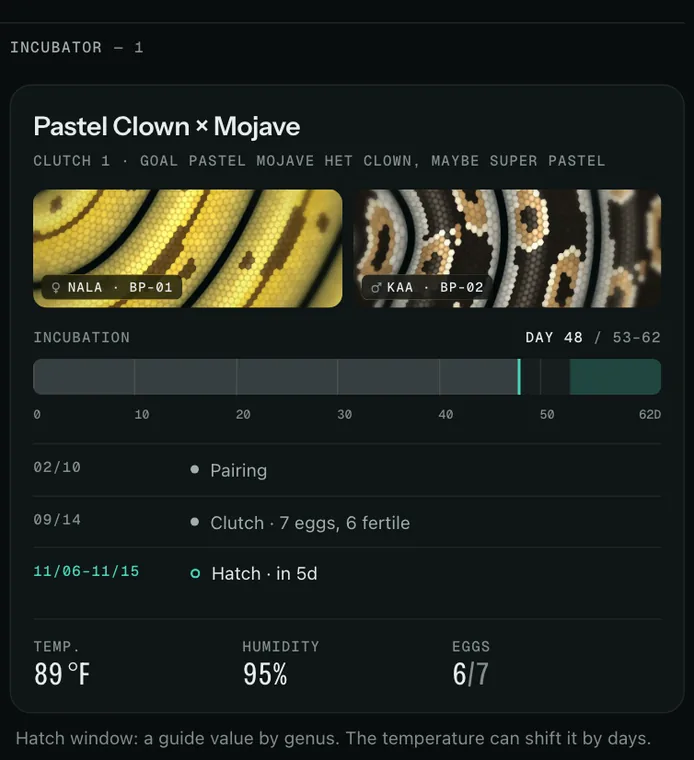
Clutches and incubation
Log pairings and clutches, and follow incubation with its hatch window.
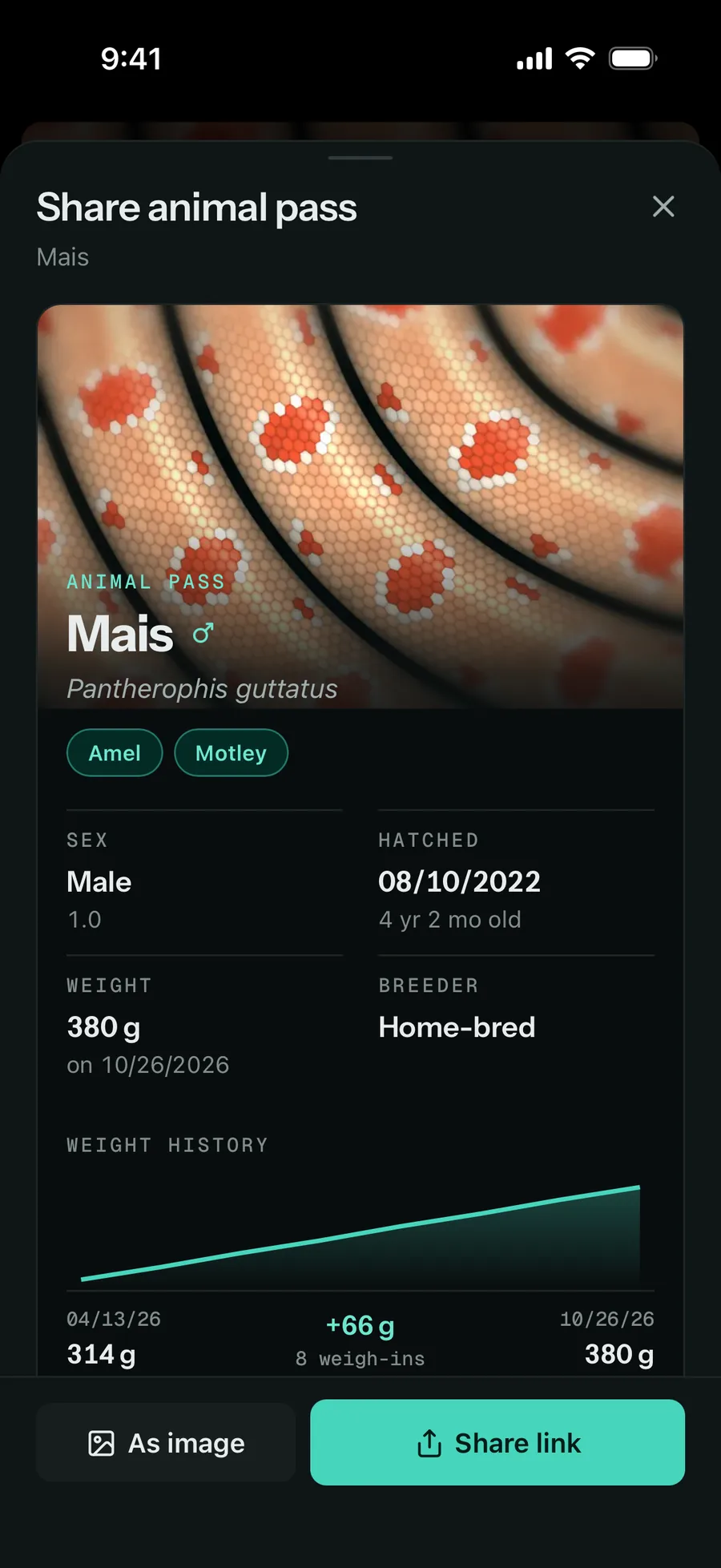
Animal pass
Profile, weight and parents for buyers, as a link or an image. You decide what the pass shows.
Care guides for 16 species.
Climate, enclosure, feeding, breeding and legal notes, with the minimum sizes for Germany, Austria and Switzerland. In the app, the guide values appear in each animal's profile.
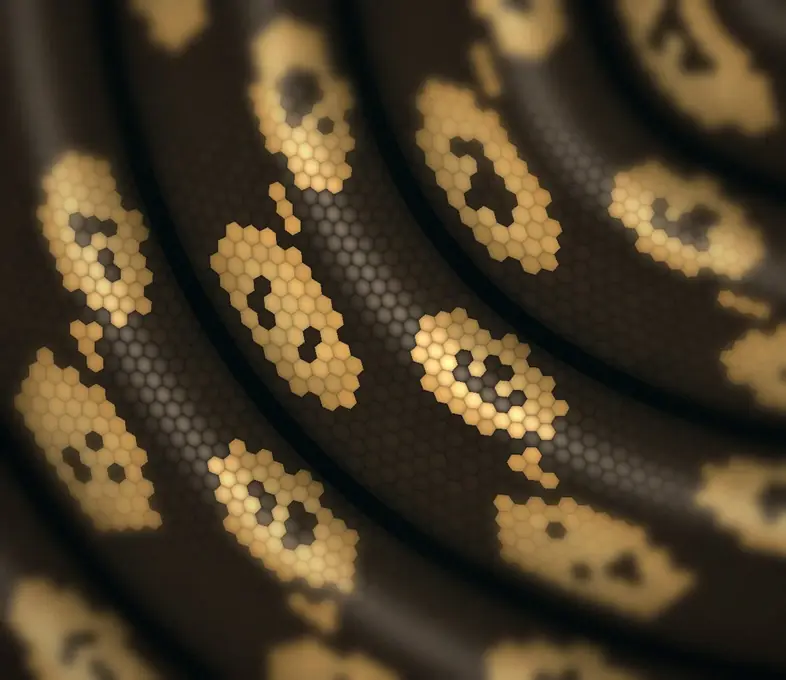
Ball python
Python regiusThe ball python from West and Central Africa is the most commonly kept python or boa: small, calm and bred in many color morphs.Day26–32 °C79–90 °FHumidity60–80%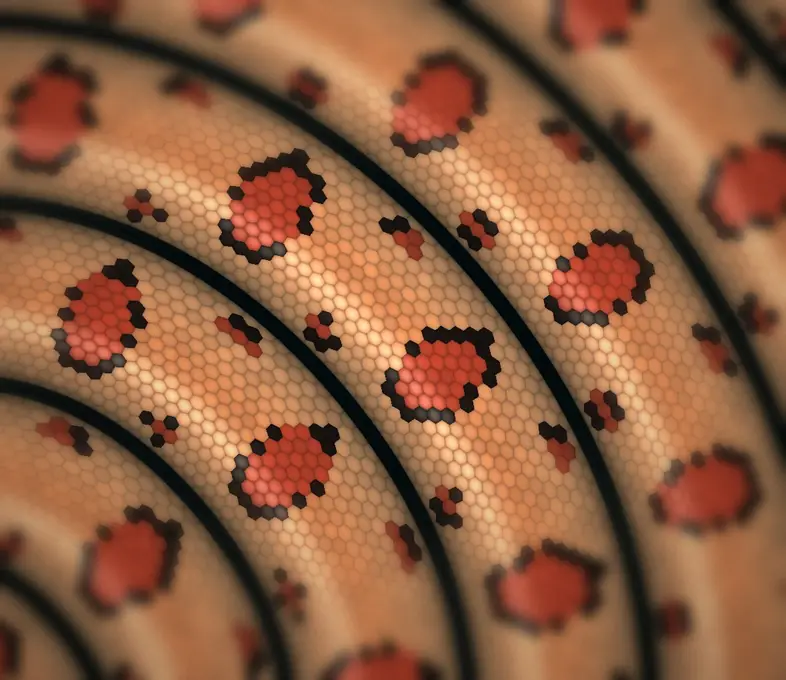
Corn snake
Pantherophis guttatusThe corn snake from the southeastern United States is probably the most commonly kept snake: adaptable, curious and bred in countless color morphs.Day24–28 °C75–82 °FHumidity50–70%
Common kingsnake
Lampropeltis getulaCommon kingsnakes come from North America, belong to the genus Lampropeltis and are considered hardy snakes for beginners.Day24–28 °C75–82 °FHumidity50–80%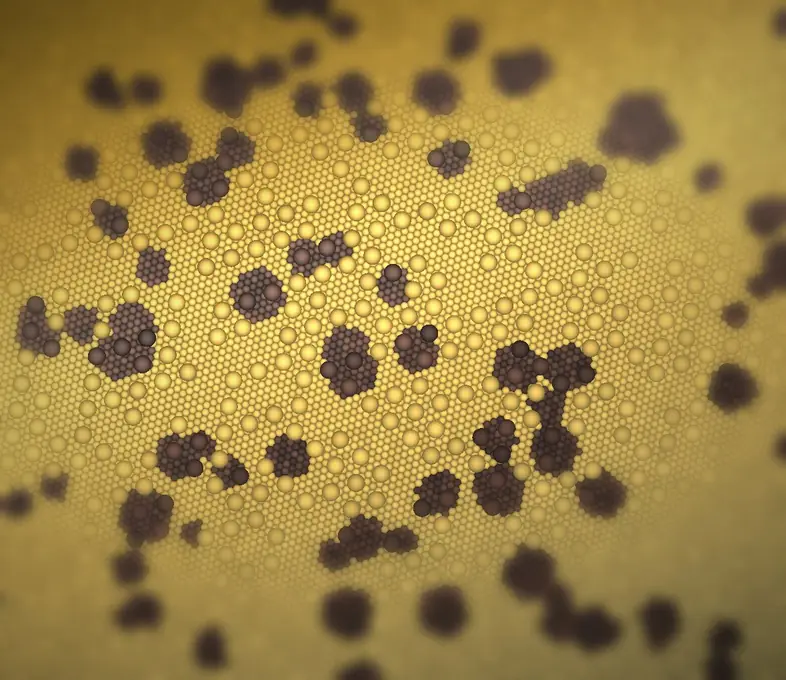
Leopard gecko
Eublepharis maculariusThe leopard gecko lives in steppes and semi-deserts from Afghanistan to northwestern India.Day26–30 °C79–86 °FHumidity40–60%

Try HerpLabs.
Start in your browser without an account or get the app for your iPhone. Both are free.