
Care guides for reptiles.
Climate, enclosure, feeding, breeding and legal notes for each species. The legal minimum sizes are those of Germany, Austria and Switzerland, so check the rules where you live.
Species
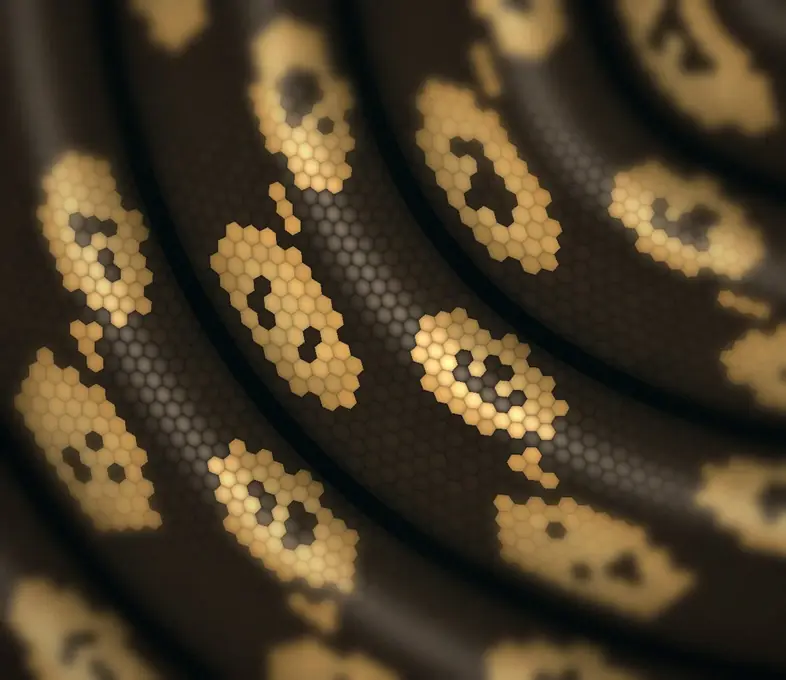
Ball python
Python regiusThe ball python from West and Central Africa is the most commonly kept python or boa: small, calm and bred in many color morphs.Day26–32 °C79–90 °FHumidity60–80%Feedevery 5–21d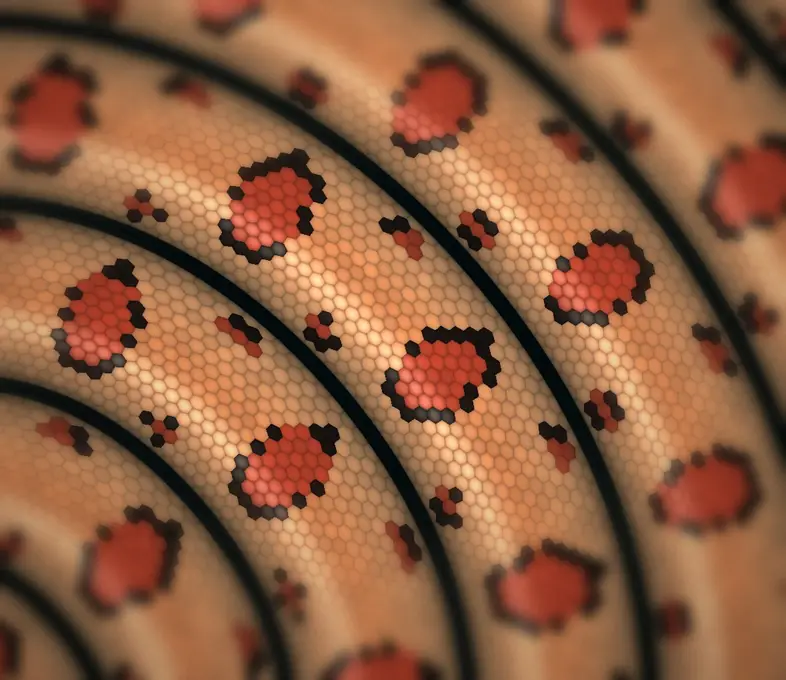
Corn snake
Pantherophis guttatusThe corn snake from the southeastern United States is probably the most commonly kept snake: adaptable, curious and bred in countless color morphs.Day24–28 °C75–82 °FHumidity50–70%Feedevery 5–14d
Common kingsnake
Lampropeltis getulaCommon kingsnakes come from North America, belong to the genus Lampropeltis and are considered hardy snakes for beginners.Day24–28 °C75–82 °FHumidity50–80%Feedevery 5–14d
Carpet python
Morelia spilotaCarpet pythons come in many forms, from the jungle carpet at 1.5–2 meters to the coastal carpet python at up to 3 meters.Day25–30 °C77–86 °FHumidity40–60%Feedevery 7–28d
Green tree python
Morelia viridisThe green tree python lives in the rainforests of New Guinea and north-eastern Australia and spends almost its whole life on branches.Day27–32 °C81–90 °FHumidity50–80%Feedevery 5–14d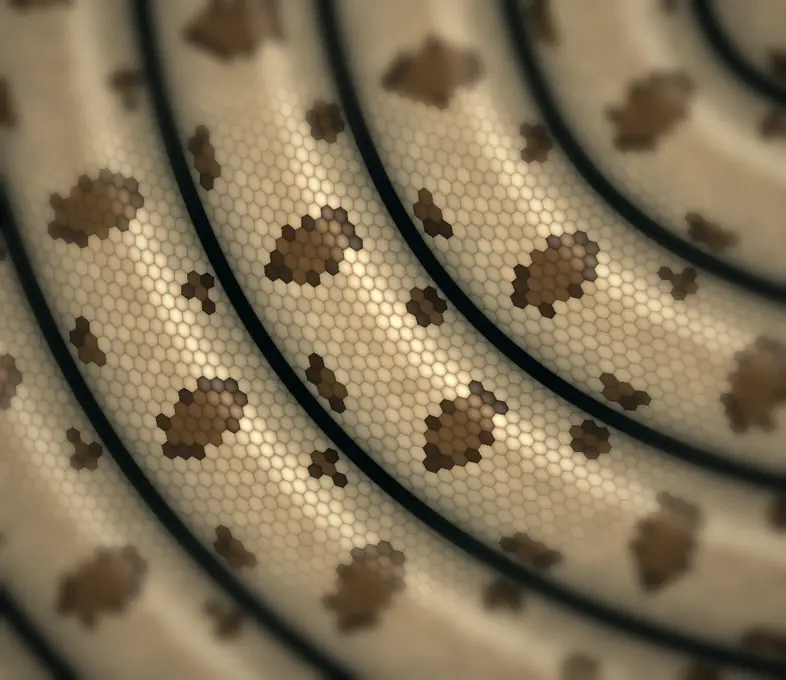
Western hognose
Heterodon nasicusThe western hognose comes from open, dry country in North America, digs a lot and stays small at 50–90 cm.Day23–28 °C73–82 °FHumidity50–70%Feedevery 3–10d
Leopard gecko
Eublepharis maculariusThe leopard gecko lives in steppes and semi-deserts from Afghanistan to northwestern India.Day26–30 °C79–86 °FHumidity40–60%Feedevery 1–3d
African fat-tailed gecko
Hemitheconyx caudicinctusThe African fat-tailed gecko lives in the savannas and open woodlands of West Africa and is a relative of the leopard gecko.Day22–26 °C72–79 °FHumidity50–70%Feedevery 1–3d
Crested gecko
Correlophus ciliatusThe crested gecko comes from New Caledonia, where it was thought to be extinct until 1994.Day20–25 °C68–77 °FHumidity50–80%Feedevery 1–3d
Bearded dragon
Pogona vitticepsThe central bearded dragon lives in the semi-deserts and dry woodlands of central Australia and is the most commonly kept lizard in Germany.Day25–28 °C77–82 °FHumidity30–40%Feedevery 1–2dChinese water dragon
Physignathus cocincinusThe Chinese water dragon lives on tropical riverbanks in Asia, likes to climb and escapes into the water when threatened.Day27–30 °C81–86 °FHumidity70–90%Feedevery 1–3d
Veiled chameleon
Chamaeleo calyptratusThe veiled chameleon is one of the chameleons the German report considers suitable for beginners in keeping chameleons.Day25–28 °C77–82 °FHumidity50–70%Feedevery 1–3d
Blood python
Python brongersmaiBlood pythons from Southeast Asia are short, very heavy-bodied and live on the floor of humid forests and plantations.Day28–31 °C82–88 °FHumidity65–80%Feedevery 7–28d
Hermann's tortoise
Testudo hermanniHermann's tortoise lives around the Mediterranean from Spain to the Balkans and is the most commonly kept reptile in Germany.Day25–30 °C77–86 °FHumidity40–60%Feeddaily
Greek tortoise
Testudo graecaThe Greek or spur-thighed tortoise lives around the Mediterranean and in western Asia, in many forms.Day25–30 °C77–86 °FHumidity40–60%FeeddailyRussian tortoise
Testudo horsfieldiiThe Russian tortoise, also called Horsfield's or steppe tortoise, comes from the steppes and semi-deserts of Central Asia.Day25–30 °C77–86 °FHumidity40–60%Feeddaily
The guides summarize official sources and specialist literature. They are no substitute for a visit to the vet, and the legal notes are not legal advice.
How the guides are made
The guide values are in the app too.
Your animal's profile shows them next to its care status. HerpLabs is free, in your browser and on iPhone.